
-
🛡 Antivirus on Exchange Servers: When “Configured According to Best Practices” Still Isn’t Enough
Antivirus software is mandatory on Exchange servers, but misconfiguration goes far beyond missing folder exclusions. This article explains how antivirus process-level integration can silently affect IIS and Exchange services, why issues may look unrelated to antivirus at first glance, and how Microsoft-provided diagnostic scripts help identify configuration problems.
-
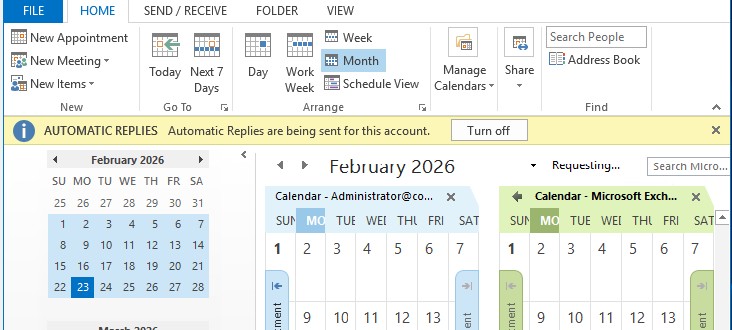
📅 A Second Calendar Took Over: Why New Events Land There and How We Fixed It
A real-world Exchange support case where a second calendar suddenly became the default one. All existing meetings stayed in the old calendar, while new events were created in the new one. We walk through why Exchange can’t tell you who caused it, why third-party mobile apps are often involved, and how to restore the correct…
-

❌ Unsupported Exchange Server Recovery Methods
Most Exchange server restore attempts “work” only by luck — but they are never supported. This post explains why snapshot-based, image-based, offline VM, or storage-level restores create state divergence between the recovered server and Active Directory, why this leads to silent corruption (Search, Cluster, IIS, Transport, CUs), and why Setup.exe /RecoverServer is the only supported…
-

🔍 When Search Works “But Doesn’t” in Exchange 2016 DAG
Search reported “Healthy,” but wasn’t working on a DAG node restored from a VM-level backup. The server had been recovered using an unsupported method, which left the Ceres Search Engine in an inconsistent state. The post explains how the issue manifested, why the correct recovery approach is Setup /RecoverServer, and how the customer temporarily repaired…
-

🔐 Why You Cannot “Switch Exchange to LDAPS (636)” — and Why You Don’t Need To
Why Exchange cannot use LDAPS (636) — and why it doesn’t need to. Auditors often require “LDAPS everywhere,” but Exchange relies on LDAP over SASL (Kerberos/NTLM), which already provides encryption and integrity via signing/sealing on ports 389/3268. No plaintext data is ever transmitted. This post explains the architectural reasons, shows packet captures, and provides a…
-

📨 SMTPUTF8 in Mixed Exchange Environments (2019 ⇄ 2016): Why Your Go (gomail) App Fails — and How to Fix It
Mixed Exchange 2019↔2016 can break SMTP submissions from Go/gomail when FE 2019 advertises SMTPUTF8 and the session is proxied to BE 2016 that doesn’t support it. The fix: disable SMTPUTF8 on the 2019 connector, adjust the client, or finish migrating to 2019.
-
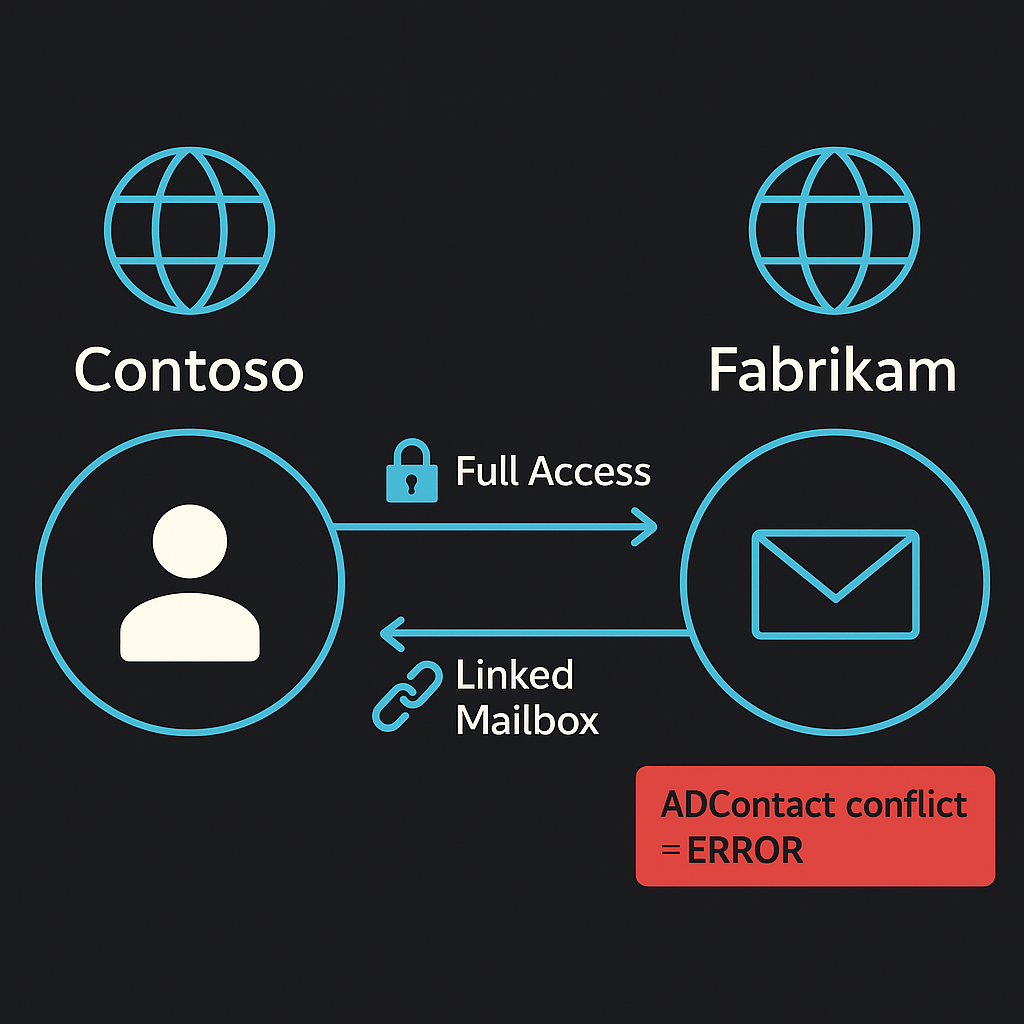
🔍 Granting Cross-Forest Mailbox Access: Linked Mailbox or Full Access?
Two forests, one mailbox. Should you just assign Full Access or go with a Linked Mailbox? Here’s the difference, a real-world error we hit, and why linked mailboxes often win for long-term stability.
-

🔍 Slow Room Availability Lookup in Outlook: Why It’s Not Always Exchange
Room list performance in Outlook isn’t always about the server. In this case, 60 rooms = 20 seconds load time — and Exchange was fine. The real bottleneck? Client-side visualization. Learn why and how to optimize room lists for a better user experience
-

🔍 Why Get-Volume Output Differs After Migrating from Windows Server 2012 R2 to 2016+ in Exchange DAG Environments
When migrating from Windows Server 2012 R2 to 2016+ in Exchange DAG environments, Get-Volume may return unexpected results. Unlike in 2012 R2, where the cmdlet showed only local volumes, Windows Server 2016 and later operate in a cluster-aware mode. This means volumes from other nodes can appear in the output, even if they are not…
-
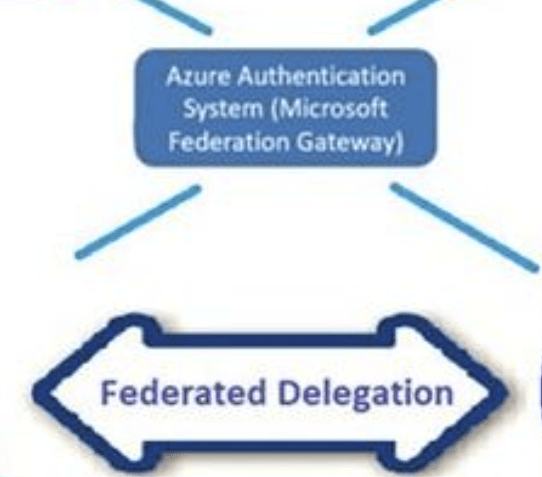
🔍 Federation Certificate Renewal in Exchange: When It’s Not Just About the Certificate
Expired federation certificate in Exchange? Sometimes it’s not just a simple renewal. In this real-world case, we explored why recreating the trust was necessary, why Test-OrganizationRelationship isn’t always the whole truth, and how a simple EWS app pool restart fixed what the official docs don’t mention.
 EWS Free Area